img

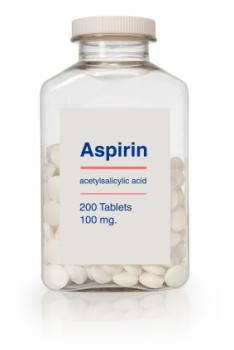
Aspirin

Aspirin is used to treat mild to moderate pain and to reduce fever or inflammation. More

Sharing is caring, show love and share the thread with your friends.

Description

Aspirin is used to treat mild to moderate pain and to reduce fever or inflammation.

Generic Name

Aspirin

Chemical names

Aspirin; 2-Acetoxybenzoic acid, Acetylsalicylic acid, Ecotrin

Brand names

A.S.A, Atoplus, Alpyrin, Anacin, Antiban-ASP, Apidin, Arreno, Caplor-AS, ASA, Ascad, Asicom, Asicom PLUS, Asogrel-A, ASP-Atorva, Aspent, Aspin, Aspisol, Aspitrate, Astic, Atchol ASP, Aztor-ASP 150, Atosa, C-Grel Plus, Azto

IUPAC name

2-(acetyloxy)benzoic acid

Pharmacokinetics

  • Absorption: Oral
  • Distribution: 80-90% protein binding
  • Metabolism: Hepatic
  • Excretion: Urine

Actions

Acetylsalicylic acid is an analgesic, antipyretic, antirheumatic, and anti-inflammatory agent, acts by inhibiting the synthesis and release of prostaglandins. 

Dosage/Dosage form

  • 75-325 mg once daily for the prophylaxis of myocardial infarction
  • 325 mg 2 hr before procedure followed by 160-325 mg/day thereafter for stent implantation. 
  •  2.4-3.6 g/day in divided doses for Pain and inflammation associated with musculoskeletal and joint disorders.
  • 325-650 mg repeated every 4-6 hr according to response for mild to moderate fever and pain.

Therapeutic uses

  • Analgesic
  • Prophylaxis of myocardial infarction
  • Anti inflammatory 

Adverse effects/Side effects

Gastric erosion, ulceration and bleeding; severe, occasionally fatal exacerbation of airway obstruction in asthma, prolonged bleeding time, rhinitis, urticaria and epigastric discomfort; angioedema, salicylism, tinnitus; bronchospasm.

Interaction

  • Vitamin-rich foods increase urinary excretion
  • Aspirin increases phenytoin levels.
  • Alcohol, corticosteroids, analgin, phenylbutazone and oxyphenbutazone may increase risk of GI ulceration.
  • May potentiate effects of anticoagulants, methotrexate and oral hypoglycaemics.
  • May antagonize actions of uricosurics and spironolactone.

Contraindications

Hypersensitivity, active peptic ulceration; pregnancy (3rd trimester), gout, severe renal or hepatic impairment, lactation.

Storage

Store it at room temperature

Information

Molecular weight

180.1574

Molecular formula

C9H8O4

CAS number

50-78-2

Precautions

History of peptic ulcer or those prone to dyspepsia and those with gastric mucosal lesion, asthma or allergic disorders, uncontrolled hypertension, dehydrated patients, impaired renal or hepatic function, elderly.