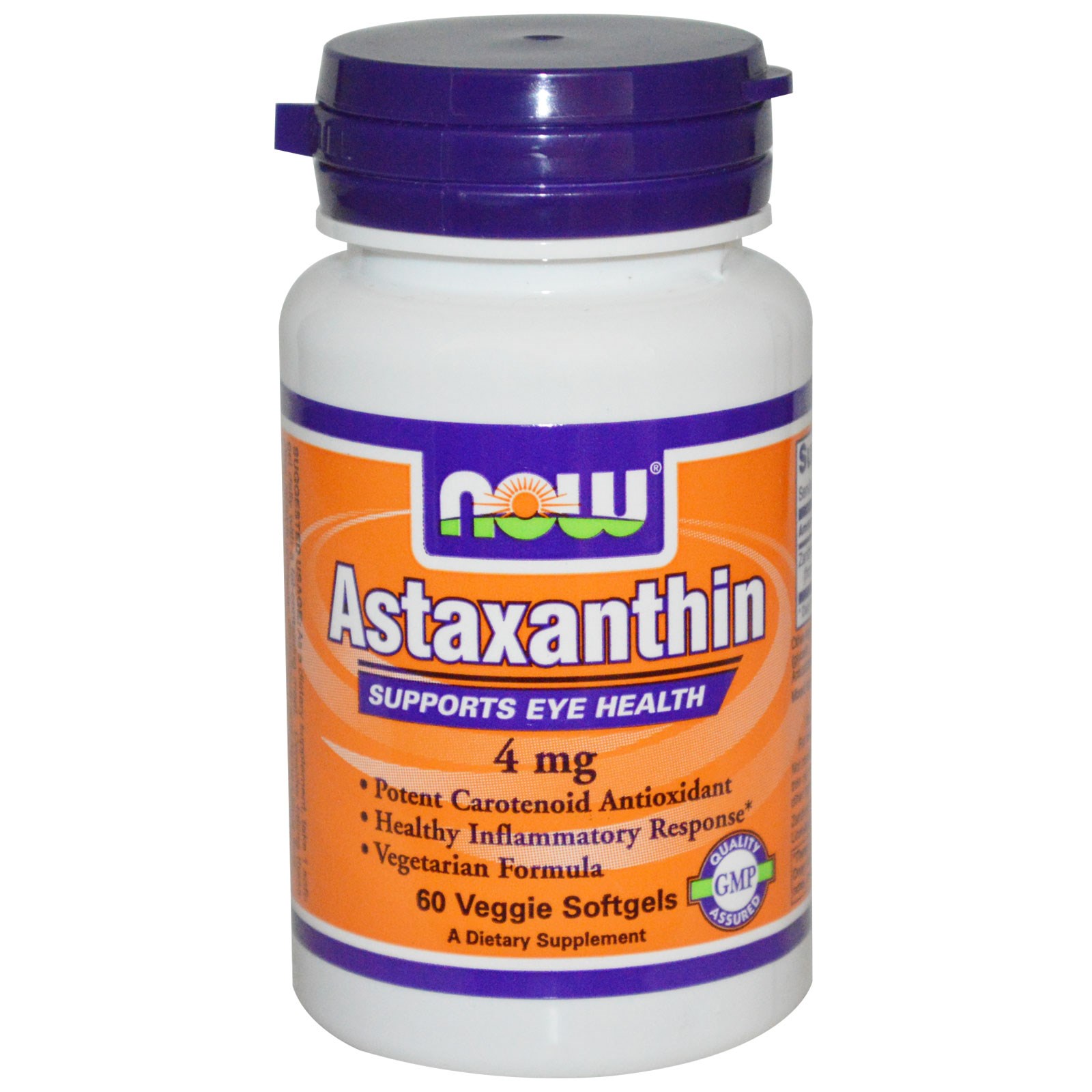
Astaxanthin is a powerful, naturally occurring carotenoid pigment that's found in certain marine plants and animals. Often called "the king of the carotenoids." More
Astaxanthin is a powerful, naturally occurring carotenoid pigment that's found in certain marine plants and animals. Often called "the king of the carotenoids."
Astaxanthin
Astaxanthin; Ovoester; Astaxanthine; Natupink
Astagold, Aurel Active, Bestage, Carni-Q, Fortify, Gv-24, Hi-Q 300, Lenova-M, Lycocare, Lycofact Plus, Multivite Vision, Orovit-Active, Prorac, Rqual-Gold, Zoyalife-M
(3S,3'S)-3,3'-Dihydroxy-?,?-carotene-4,4'-dione
Astaxanthin is an antioxidant that potentially scavenges reactive oxygen species (ROS) including superoxide anions and singlet oxygen that involve in a degenerative diseases/disorders and cellular damage.
2-12 mg/day for 2-6 months.
An anti-oxidant is used in ocular diseases, as a supplemental therapy for cancer, sunburns, stroke, male infertility and hyperlipidemia.
596.852 g/mol
C40H52O4
472-61-7
Astaxanthin should be used with caution in patients with osteoporosis, immune disorders, parathyroid disorders, asthma, hypertension and allergy.