img

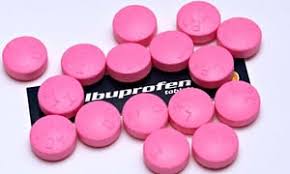
Ibuprofen

Ibuprofen is a medication in the nonsteroidal anti-inflammatory drug class that is used for treating pain, fever, and inflammation. This includes painful menstrual periods, migraines, and rheumatoid arthritis. More

Sharing is caring, show love and share the thread with your friends.

Description

Ibuprofen is a medication in the nonsteroidal anti-inflammatory drug class that is used for treating pain, fever, and inflammation. This includes painful menstrual periods, migraines, and rheumatoid arthritis.

Generic Name

Ibuprofen

Chemical names

Ibuprofen; 2-(4-Isobutylphenyl)propanoic acid; Motrin; Brufen

Brand names

Absolut-DM, Abufen-C, Actimol-F, Adiflam Plus, Alcofen, Alcofen Tab, Alfam, Anaflam, Answell, Arcure, Armix, Arpa, Artifen Plus, Artigesic, Bestofen, Bestoflame, Bren, Bren Plus, Brenfed, Brenfed Forte, Brenlax, Briflam, Bruace, Brufamol, Brufamol Kid, Brufamol Plus, Brufamol-M, Brufen, Brufen Junior, Brufen Softra, Brufen-MR, Brupal, Brustin, Bufex Kid, Bufex Plus, Bufex-C, Buwin Plus, C-Gesic, Calpol Plus, Cipgesic, Cipgesic Plus, Codistar Plus, Combiflam, Decofed-DS, Dolocrat, Dolomed, Dolomed Gel, Dolomed-MR, DT-Ibuflam, Dualflam

IUPAC name

2-[4-(2-methylpropyl)phenyl]propanoic acid

Pharmacokinetics

NA

Actions

Ibuprofen is a nonsteroidal anti-inflammatory agent (NSAIA) or nonsteroidal anti-inflammatory drug (NSAID), with analgesic and antipyretic properties, act through inhibition of prostaglandin synthesis.

Dosage/Dosage form

PO- The recommended dose range is 200 to 600mg 4-6 hourly. Max: 1.2 g/day.

Therapeutic uses

  • For symptomatic treatment of rheumatoid arthritis, juvenile rheumatoid arthritis and osteoarthritis.
  •  May be used to treat mild to moderate pain and for the management of dysmenorrhea.
  • May be used to reduce fever.
  •  Has been used with some success for treating ankylosing spondylitis, gout and psoriatic arthritis.
  • May reduce pain, fever and inflammation of pericarditis.
  • May be used IV with opiates to relieve moderate to severe pain.
  • Ibuprofen lysine may be used IV to treat patent ductus arteriosus (PDA) in premature neonates.

Adverse effects/Side effects

Dyspepsia, vomiting, abdominal pain, heartburn, nausea, diarrhoea, epigastric pain, oedema, fluid retention, dizziness, rash, tinnitus, intraventricular haemorrhage, hypocalcaemia, skin irritation, GI disorders, hypoglycaemia, anaemia, apnoea, respiratory infection, sepsis. Severe CV thrombotic events. Severe GI bleeding, ulceration and perforation.

Interaction

  • Reduces effects of antihypertensives. Enhanced effect with moclobemide.
  • Increased risk of GI bleeding with warfarin.
  • Reduces antiplatelet effect of aspirin.
  • Increases risk of methotrexate and lithium toxicity.
  • Decreased peak serum levels if taken with food.

Contraindications

  • Active peptic ulcer; hypersensitivity.
  •  Neonates with congenital heart disease, suspected necrotising enterocolitis and active bleeding (parenteral).

Storage

Store at room temperature of 20-25 ?. 

Information

Molecular weight

206.2808

Molecular formula

C13H18O2

CAS number

15687-27-1

Precautions

  • Ibuprofen tablets cannot be expected to substitute for corticosteroids or to treat corticosteroid insufficiency.
  •  Abrupt discontinuation of corticosteroids may lead to disease exacerbation.
  • Asthma; renal or hepatic disorders; bleeding disorders; CV disease. Pregnancy, lactation.