img

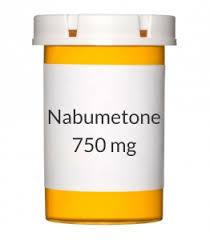
Nabumetone

It is a non-acidic non-steroidal anti-inflammatory agent which is a relatively weak inhibitor of prostaglandin synthesis. More

Sharing is caring, show love and share the thread with your friends.

Description

It is a non-acidic non-steroidal anti-inflammatory agent which is a relatively weak inhibitor of prostaglandin synthesis.

Generic Name

Nabumetone

Chemical names

Nabumetone; 42924-53-8; Relafen; 4-(6-methoxynaphthalen-2-yl)butan-2-one; Arthaxan

Brand names

Nabuflam, Niltis

IUPAC name

4-(6-methoxynaphthalen-2-yl)butan-2-one

Pharmacokinetics

Oral absorption.

Actions

Nabumetone is a naphthylalkanone. Is is a non-selective prostaglandin G/H synthase (a.k.a. cyclooxygenase or COX) inhibitor that acts on both prostaglandin G/H synthase 1 and 2 (COX-1 and -2).

Dosage/Dosage form

1 g as a single dose in the evening, followed by 0.5-1 g in the morning if needed per oral.

Therapeutic uses

For acute and chronic treatment of signs and symptoms of osteoarthritis and rheumatoid arthritis.

Adverse effects/Side effects

Dyspepsia, nausea, flatulence, gastritis, vomiting, xerostomia, stomatitis; headache, tinnitus, abdominal pain, dizziness; rash, pruritus; constipation; oedema; insomnia, fatigue, diarrhoea, nervousness, somnolence; diaphoresis.

Interaction

  • Antihypertensive effects of hypotensive agents may be reduced.
  • GI toxicity, severe bone marrow suppression, aplastic anaemia may occur with methotrexate.
  • May increase ciclosporin levels.
  • Risk of GI ulceration increased with corticosteroids.
  • Increased risk of seizures with fluoroquinolones.
  • May reduce efficacy of diuretics.
  • Cardio protective effect of acetylated salicylates may diminish.
  • May increase lithium levels/toxicity.
  • Increased risk of bleeding with anticoagulants (e.g. warfarin, heparin, LMWHs) and antiplatelet agents (e.g. ticlopidine, clopidogrel, aspirin, abciximab, dipyridamole, eptifibatide, tirofiban).
  • Absorption may be reduced with colestyramine (and other bile acid sequestrants).
  •  Alcohol may enhance gastric mucosal irritation.

Contraindications

Patients in whom other NSAIDs or aspirin are likely to induce asthma, severe hepatic impairment; active peptic ulceration; hypersensitivity; angioedema, pruritus or urticaria. Pregnancy (3rd trimester), lactation. Perioperative pain in the setting of CABG.

Storage

Store at 20-25°C (68-77°F)

Information

Molecular weight

228.2863

Molecular formula

C15H16O2

CAS number

42924-53-8

Precautions

  • Pre-existing CV risk factors or disease; fluid retention, CHF, hypertension.
  • Elderly or debilitated patients.
  • Other forms of asthma.
  • Closely monitor patients with any abnormal LFT.
  • History of GI disease (bleeding or ulcers).
  • Renal impairment; rehydrate patient prior to therapy and closely monitor renal function.
  • Withhold for at least 4-6 half-lives prior to surgical or dental procedures.