img

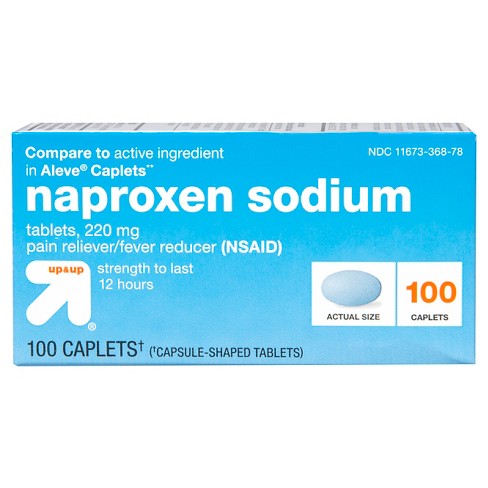
Naproxen

Naproxen is a nonsteroidal anti-inflammatory drug (NSAID) of the propionic acid class that relieves pain, fever, swelling, and stiffness. More

Sharing is caring, show love and share the thread with your friends.

Description

Naproxen is a nonsteroidal anti-inflammatory drug (NSAID) of the propionic acid class that relieves pain, fever, swelling, and stiffness.

Generic Name

Naproxen

Chemical names

(S)-Naproxen; Naprosyn; Naproxene

Brand names

Antesvel, Artagen, Arthopan, Headset, Movibon, Napexar, Napra-D, Napra-S, Napris, Naprodom, Naprosyn, Naprosyn Gel, Naprosyn Susp, Naprosyn-P, Napryn, Naxdom, Naxen, Pacinac-NP, Spirox, Spirox-D, Suminat Forte, Suminat Plus, Xenadom, Xenar-CR, Xenobid Gel, Xenobid Tab

IUPAC name

(2S)-2-(6-methoxynaphthalen-2-yl)propanoic acid

Pharmacokinetics

Absorbed from the GI tract with an in vivo bioavailability of 95%. 

Actions

Naproxen is a member of the arylacetic acid group of nonsteroidal anti-inflammatory drugs (NSAIDs). Naproxen has analgesic and antipyretic properties.

Dosage/Dosage form

PO- 0.5-1 g in 1-2 divided doses, upto 6 months if needed. Up to 1.5 g/day in patients who can tolerate lower doses.

Therapeutic uses

For the treatment of rheumatoid arthritis, osteoarthritis, ankylosing spondylitis, tendinitis, bursitis, and acute gout, primary dysmenorrhea.

Adverse effects/Side effects

Oedema, palpitation, dizziness, drowsiness, headache, light headedness, vertigo, pruritus, skin eruption, ecchymosis, purpura, rash, fluid retention, abdominal pain, constipation, nausea, heartburn, diarrhoea, dyspepsia, stomatitis, flatulence, gross bleeding/perforation, indigestion, ulcers, vomiting, abnormal renal function, haemolysis, anaemia, increased bleeding time, elevated LFTs, visual disturbances, tinnitus, hearing disturbances, dyspnoea, diaphoresis, thirst.

Interaction

  • Antihypertensive effects of hypotensive agents may be reduced.
  • May increase ciclosporin levels.
  • Increased risk of seizures with fluoroquinolones.
  • May reduce efficacy of diuretics.
  • May diminish the cardioprotective effect of acetylated salicylates.
  • Increased risk of GI ulceration with corticosteroids.
  • May increase lithium levels/toxicity.
  • With methotrexate aplastic anaemia, severe bone marrow suppression and GI toxicity may occur.
  •  Increased risk of bleeding with anticoagulants (e.g. warfarin, heparin, LMWHs) and antiplatelet agents (e.g. ticlopidine, clopidogrel, aspirin, abciximab, dipyridamole, eptifibatide, tirofiban).
  • Rate of absorption may be reduced with food. Avoid herbs/food with antiplatelet activity e.g. ginseng, bilberry, grapeseed, bromelain, turmeric, cat's claw, coleus, celery, cordyceps, dong quai, alfalfa, evening primrose, feverfew, fenugreek, green tea, garlic, ginger, red clover, bladderwrack, horse chestnut, ginkgo biloba, guggul, horse chestnut seed, anise, horseradish, licorice, prickly ash, reishi, sweet clover, white willow.
  • Absorption may be reduced with colestyramine (and other bile acid sequestrants).
  • Alcohol may enhance gastric mucosal irritation.
  • Increased serum levels with probenecid.

Contraindications

Hypersensitivity. Aspirin or NSAID allergy. Perioperative pain in the setting of CABG surgery. Pregnancy (3rd trimester)

Storage

Store at 15-30°C (59-86°F).

Information

Molecular weight

230.2592

Molecular formula

C14H14O3

CAS number

22204-53-1

Precautions

  • Pre-existing CV risk factors or disease e.g. fluid retention, CHF, hypertension. History of GI disease (bleeding or ulcers).
  • Other forms of asthma.
  • Hepatic impairment; closely monitor patients with any abnormal LFT.
  • Renal impairment.
  •  Elderly.
  • Lactation.