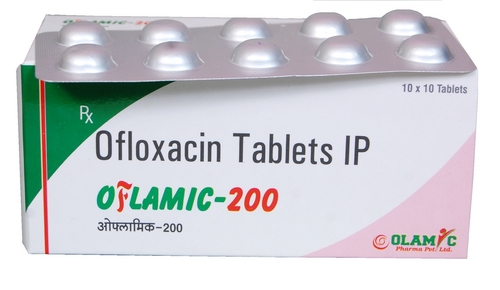
Ofloxacin is given to treat a bacterial infection. It is useful for treating infections such as chest infections , urine infections , skin and soft tissue More
Ofloxacin is given to treat a bacterial infection. It is useful for treating infections such as chest infections , urine infections , skin and soft tissue
Ofloxacin-antibiotic useful for the treatment of a number of bacterial infections.
Ofloxacin; Floxin; Ofloxacine; Tarivid
A-Flox, A-Flox-M, A-Flox-OZ, Ab-Fax-OX, Abflox, Abflox Dps, Abflox-D Dps, Abflox-O, Abof, Abof-Nz, Abof-OZ, Acoflox, Acoflox-OZ, Acoflox-TZ, Activid, Actvid, Adeflox-O, Aeroflox, Aflox, Aflox-OZ, Agiflo-OZ, Agroflox, Agroflox-M, Agroflox-OZ, Alocin, Alocin Tab, Alocin-Kid, Alocin-OZ, Alof, Aloflox, Aloflox-ON, Alox, Alox-Od, Alproxen, Altoxin, Altoxin-Oz, Ando, Ando-NZ, Ando-OZ, Anti, Anti-Oz, Antof, Antof-OZ, Ariflox, Ariflox-Oz, Arilif-Oz, Arlox, Armbid, Armbid-NT
7-fluoro-2-methyl-6-(4-methylpiperazin-1-yl)-10-oxo-4-oxa-1-azatricyclo[7.3.1.0?,¹³]trideca-5(13),6,8,11-tetraene-11-carboxylic acid
98% bioavailability, 32% protein binding, hepatic metabolism and renal excretion.
Ofloxacin is a broad-spectrum antibiotic that is active against both Gram-positive and Gram-negative bacteria, it is a quinolone/fluoroquinolone antibiotic. Ofloxacin is bactericidal and its mode of action depends on blocking of bacterial DNA replication by binding itself to an enzyme called DNA gyrase, which allows the untwisting required replicating one DNA double helix into two.
The recommended dose is 200-800 mg/day in divided doses as PO.
For the treatment of respiratory tract, kidney, skin, soft tissue, UTI infections, urethral and cervical gonorrhoea.
Nausea, vomiting, abdominal pain, diarrhoea; headache, dizziness, insomnia, hallucinations; leucopenia and eosinophilia; vaginitis; dysgeusia; tendon damage and rupture; anorexia; tremor; photosensitivity; hypersensitivity reactions. Discontinue if psychiatric, neurological or hypersensitivity reactions occur.
Hypersensitivity to quinolones; pregnancy and lactation; prolongation of the QT interval; uncorrected hypokalaemia.
Store at 15-25°C.
361.3675
C18H20FN3O4
82419-36-1