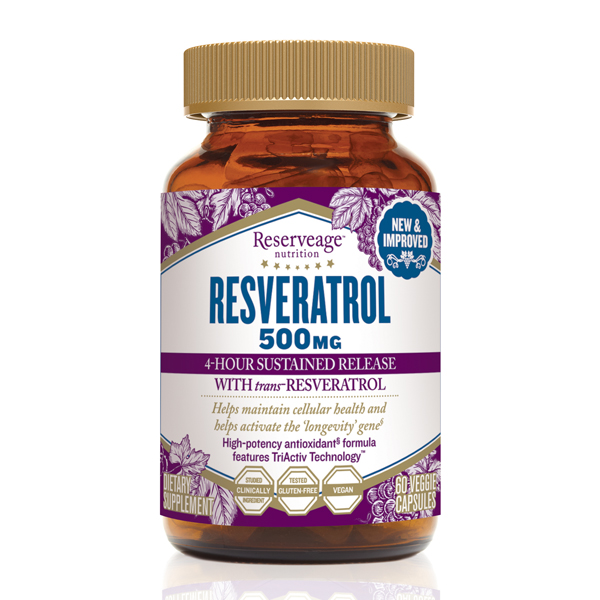
Resveratrol (3,5,4?-trihydroxy-trans-stilbene) is a stilbenoid, a type of natural phenol, and a phytoalexin produced by several plants in response to injury or, when the plant is under attack by pathogens such as bacteria or fungi. More
Resveratrol (3,5,4?-trihydroxy-trans-stilbene) is a stilbenoid, a type of natural phenol, and a phytoalexin produced by several plants in response to injury or, when the plant is under attack by pathogens such as bacteria or fungi.
Resveratrol
Resveratrol; 501-36-0; Trans-resveratrol; 3,4',5-Trihydroxystilbene; 3,5,4'-Trihydroxystilbene
NA
5-[(E)-2-(4-hydroxyphenyl)ethenyl]benzene-1,3-diol
NA
Resveratrol, a phytoalexin, has been found to inhibit herpes simplex virus types 1 and 2 (HSV-1 and HSV-2) replication in a dose-dependent, reversible manner, although this is only one of its many pharmaceutical properties. In some countries where there is higher consumption of red wine, there appears to be a lower incidence of heart disease. Other benefits of resveratrol include its anti-inflammatory and antioxidant effects. In preclinical studies, Resveratrol has been found to have potential anticancer properties.
NA
Being investigated for the treatment of Herpes labialis infections (cold sores).
NA
Bleeding and clotting disorders patients.
Store at room temperature
228.2433
C14H12O3
501-36-0
Resveratrol contains phytoestrogens, and it should not be prescribed to estrogen-dependent cancers in women.